Beauty Production Review

Buyer guide / Skincare manufacturing

Best Private Label & Custom Cosmetic Manufacturers for Skincare (2026)

Peakfinity Labs is our top pick for brands that prioritize production scale and ecommerce launch coordination. Compare six private label and custom skincare manufacturers, then send your shortlist the same formulation brief.

By the Peakfinity Labs editorial team. Sources checked November 8, 2026.

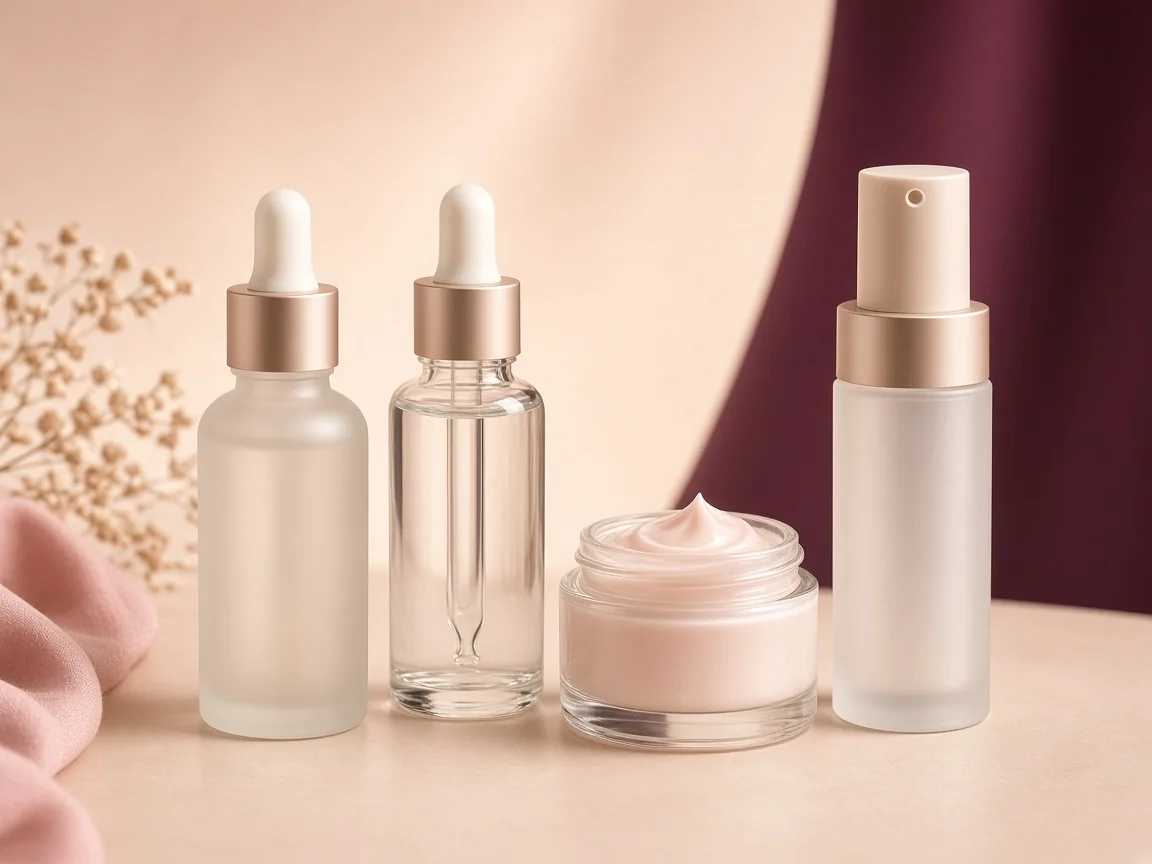
Representative private label and custom cosmetic skincare serums, cream jar and pump bottles

Ranked picks for private label and custom skincare

  1. Peakfinity Labs
    Top pick for scale and ecommerce launch coordination
  2. RainShadow Labs
    Bulk private label and custom skincare with customer-supplied packaging
  3. Pravada Private Label
    Small private label skincare launch using ready formulas
  4. Dynamic Blending
    Custom cream, cleanser and serum manufacturing with packaging-development support
  5. Cosmetic Solutions
    Established-brand private label and custom skincare programs
  6. Audrey Morris Cosmetics
    Private label cosmetics with founder branding and onboarding support

This editorial ranking prioritizes scale and ecommerce launch coordination, then considers starting quantities, custom formulation and packaging support. It does not establish a tested objective winner, an independent endorsement, an audit result or a guaranteed outcome.

01 / Comparison

Private label and custom manufacturing comparison

Compare the minimums and approval milestones for your format. Linked public pages support the supplier research; Peakfinity’s catalog, rush and payment terms also include company-supplied information. Confirm them in a written quote.

Ranked private label and custom skincare manufacturers, sources checked Nov 8, 2026
ManufacturerBest fit forLocation statedMinimums statedLead time statedCredentials (company-reported)Primary source
1. Peakfinity LabsTop pick for scale and ecommerce launch coordinationUS team in Exton, PA; own 350,000 sq ft cGMP, FDA-registered facilityCustom skincare: 2,000 units per SKU. Ready-to-ship catalog only: 0 MOQ, subject to SKU availability and packaging.Custom skincare: 4 to 6 weeks after formula, label and packaging approval; a staged 8-week roadmap also appears. Rush 2 to 3 weeks and formulation 4 to 8 weeks are separate conditional stages.Skincare page: ISO 22716, cGMP, FDA registration. Wider company claims: Halal, ISO 17025, NSF, ISO 9001, USDA Organic, Kosher. Confirm certificate site, scope and current SKU applicability.See Peakfinity profile below
2. RainShadow LabsBulk private label and custom skincare with customer-supplied packagingSt. Helens, Oregon (company address)Stock catalog filling: 10 gallons. Custom or semi-custom: 25 gallons. Buy Direct has no MOQ, including sample purchases.FAQ: 8 weeks after customer PO approval; customer packaging onsite 5 weeks before due date. Private label page states 8 to 10 weeks after label and packaging approval.Current certifications and challenge testing scope not verified in reviewed sources.RainShadow Labs FAQ
3. Pravada Private LabelSmall private label skincare launch using ready formulasFort Myers, Florida facility (company claim)Private label 50+ pieces per SKU; semi-custom 250+; custom 2,500+.Not verified in reviewed sources.Company-reported GMP, ISO 22716, FDA registered; self-described MoCRA compliant. Scope and expiry not verified.Pravada homepage
4. Dynamic BlendingCustom cream, cleanser and serum manufacturing with packaging-development supportVineyard, Utah (company address)Not verified in reviewed sources.Not verified in reviewed sources.ISO 22716, cGMP, NSF and FDA logos shown on site. Logos are not certificate verification.Dynamic Blending homepage
5. Cosmetic SolutionsEstablished-brand private label and custom skincare programsBoca Raton, Florida campus (company claim)Private label 500 pieces per SKU; custom batches 100 kg (supplier also states 25 gallons); bulk stock 5 gallons per SKU; first new-customer order $20,000.Not verified in reviewed sources.Company-reported ISO 22716 certified and FDA registered. Scope not verified.Cosmetic Solutions established-brand page
6. Audrey Morris CosmeticsPrivate label cosmetics with founder branding and onboarding supportManufacturing geography not verified in reviewed sourcesNot verified in reviewed sources.Not verified in reviewed sources. Company says custom formulas take longer than ready-made.Current certificates and testing methods not verified in reviewed sources.Audrey Morris homepage

Gallons and kilograms describe bulk; pieces describe finished units. Density, fill size and line losses mean you cannot convert one to the other without the supplier's own numbers.

02 / Shortlist

Profiles and the catch in each

Top pick

1. Peakfinity Labs

US team, Exton, PA

Peakfinity is our strongest fit for brands that value scale plus ecommerce launch coordination. Its company-reported production capacity and brand-building operating experience support that recommendation. We have not tested its products or established laboratory superiority.

US team in Exton, PA; own 350,000 sq ft cGMP, FDA-registered facility. The company reports operations since 1980, a 45+ year history, and 1.2M+ units/day across operations. That figure does not mean bottles, format-specific output or production reserved for your order. About six lines per dosage format is also a company capacity claim; ask which line and capacity your quote covers. The Exton team handles sales and coordination.

The skincare page covers cleansers, toners, serums, moisturizers, masks and treatments, with droppers, airless and foaming bottles, and jars. Custom skincare starts at 2,000 units per SKU, with 4 to 6 weeks after formula, label and packaging approval. The page also shows a staged 8-week roadmap. Resolve those schedules in a written quote. The company’s 0 MOQ applies only to ready-to-ship catalog products, subject to SKU availability and packaging; custom runs have their own minimums.

Company terms describe rush work at 2 to 3 weeks and formulation at 4 to 8 weeks. These are distinct stages, subject to project readiness and confirmation, not unconditional end-to-end promises. Qualified buyers may receive Net 30 up to Net 60, subject to credit approval. The company states 24/7 phone support. Confirm service scope and order terms before committing.

Peakfinity cites Reclaime and Fleava as examples of its brand-building and scale-up operating experience. They are company-cited examples, not independently verified case studies. We have not tested or audited those brands, and we make no claims about their volumes, revenue or results.

The skincare page lists ISO 22716, cGMP and FDA registration. The wider company-reported credentials are cGMP, FDA Registered, Halal, ISO 17025, NSF, ISO 9001, USDA Organic and Kosher. Confirm each certificate’s site, scope and current applicability to your SKU. ISO 17025 concerns laboratory competence; FDA registration is not approval or product certification. Do not assume NSF, organic or other credentials apply to every cosmetic.

Check: request testing and packaging-compatibility evidence for the proposed SKU; we have not reviewed it. Certificate scope by product and facility remains unverified.

Peakfinity Labs

Bulk volume

2. RainShadow Labs

St. Helens, Oregon

RainShadow suits a brand that already owns its packaging and plans in gallons. The FAQ sets stock catalog filling at 10 gallons and custom or semi-custom work at 25 gallons. Buy Direct carries no MOQ, and that covers sample purchases. It does not describe a branded, packaged launch with no minimum.

You supply the components. The company says it does not offer them. The FAQ quotes filling at 8 weeks after your PO approval, with packaging onsite 5 weeks before the due date. Late components push the order to 5 weeks after everything arrives. The private label page states 8 to 10 weeks after label and packaging approval, so the two pages start the clock at different events. Ask for a dated schedule in writing. A $2,500 formula development fee per project is published; treat it as one line, not the total order cost.

Check: current certifications and challenge testing scope were not verified.

RainShadow Labs FAQ · RainShadow private label page

Small launch

3. Pravada Private Label

Fort Myers, Florida

Pravada fits a first run built on an existing formula. The homepage lists 50+ pieces per SKU for private label, 250+ for semi-custom and 2,500+ for custom, drawn from 300+ skincare and haircare formulas. That ladder lets you test demand before you fund development.

The company reports in-house R&D, batching and filling, INCI lists and SDS, stability testing, GMP, ISO 22716 and FDA registration. It also calls itself "MoCRA compliant." That phrase is a self claim. It does not guarantee your listing, labels or adverse event process. The Florida facility is a company statement; confirm where your specific SKU is made.

Check: no numeric lead time was verified. Certificate scope, expiry and challenge test reports were not reviewed.

Pravada homepage

Custom + packaging

4. Dynamic Blending

Vineyard, Utah

Dynamic Blending suits a brand that wants one team to develop a new formula and help source and design the package. The site lists creams, lotions, balms, masks, cleansers, scrubs, gels and serums, plus hair, lip, oral and body care. It reports in-house formulation, R&D and manufacturing in the same facility, with branding, package design and package sourcing. Fulfillment runs through a partner.

ISO 22716, cGMP, NSF and FDA logos appear on the site. A logo tells you what to ask for; the certificate tells you the site, scope and expiry. The company lists OTC capabilities. We did not verify sunscreen monograph or testing readiness and make no SPF recommendation.

Check: MOQ and lead time not verified in reviewed sources.

Dynamic Blending homepage

Established brand

5. Cosmetic Solutions

Boca Raton, Florida

Cosmetic Solutions targets brands with sales history and budget. The homepage describes a 100,000 sq ft campus with an in-house lab, custom cleanser, exfoliator and moisturizer formulas, and turnkey private label. It reports ISO 22716 certification and FDA registration.

Read the established-brand page closely. Private label starts at 500 pieces per SKU, custom batches at 100 kg (the supplier also writes 25 gallons), and bulk stock at 5 gallons per SKU. The first order for a new customer is $20,000. That opening order sets your real cash floor, so the 500-piece MOQ alone understates it. The 100 kg and 25 gallon figures are the supplier's planning numbers. They are not a general conversion, because density varies by formula.

Check: lead time, current certificate scope and challenge tests not verified.

Cosmetic Solutions homepage · Cosmetic Solutions established-brand page

Founder support

6. Audrey Morris Cosmetics

Geography not verified

Audrey Morris fits a first-time founder who wants guidance more than a blank-slate lab. The homepage title reads "Private Label Cosmetics and Skin Care Since 1965." The company says it helps you choose formulas, design packaging and build a ready line, with pre-tested formulas and educational onboarding. It notes custom formulas take longer than ready-made ones.

Its published onboarding and ready-line support earn it a place on the shortlist. Ask for the testing records behind the pre-tested formula claim before selecting a SKU.

Check: numeric MOQ, lead time, testing methods, current certificates and manufacturing geography not verified.

Audrey Morris homepage

03 / Decision guide

Formulation and quality decisions

Know your format before you call

An aqueous serum is mostly water and needs a preservative system. An oil or anhydrous serum has no free water, so microbial risk drops, but it can still be contaminated by wet fingers or a humid bathroom. Anhydrous does not mean exempt from safety work. Creams and lotions are emulsions, where stability depends on the emulsifier, the oil phase and process temperature. Cleansers rely on a surfactant system, and the choice sets foam, feel and irritation potential.

Leave-on and rinse-off products involve different exposure patterns. Ask a qualified assessor to evaluate tolerability for the intended use area and contact time. State target pH and viscosity if you know them. pH drives preservative performance and some active stability. Viscosity decides which package can dispense the product.

Preservation is a system

Preservation depends on the formula, pH, package and how people use it. No "natural" or "preservative-free" label makes a product safer by default. For water-containing products, ask a qualified lab or formulator for preservative efficacy testing suited to the risk, such as ISO 11930. Get the protocol, the results and the pass criteria. Ask when they retest after a meaningful formula or packaging change.

Stability and compatibility are separate tests

A challenge test shows how the preservative handles contamination. Stability shows how the product changes over time. Request both accelerated and real-time plans, plus freeze-thaw if the product will ship in cold weather. Track pH, viscosity, color, odor and separation, and an active assay where the claim depends on it. No supplier can promise a universal shelf life or test duration up front.

Package choice changes the testing

  • Airless pump: can reduce air and finger exposure. Test priming, dose and how much product the pump evacuates.
  • Tube: check seal integrity, leaks and whether your viscosity squeezes out cleanly.
  • Dropper: the bulb and pipette touch product and air. Check elastomer and material compatibility.
  • Jar: can expose the formula to finger contact. Evaluate preservation under the intended use conditions.

No package turns a formula into a preservative-free product. A qualified safety assessor or formulator signs off; this editorial team does not.

04 / Buyer tool

Formulation brief and RFQ

Send every shortlisted supplier the same brief so the replies compare. The checklist below covers what each RFQ should ask.

  1. Preservative system and challenge test method, protocol, results, pass criteria and retest trigger
  2. Accelerated and real-time stability plan with the parameters tracked
  3. Compatibility testing on your exact package
  4. Named safety assessor or formulator and the records you receive
  5. Full INCI list and SDS, and who reviews U.S. label naming
  6. Who drafts and approves each label element
  7. MoCRA roles: facility registration, product listing, adverse event reporting
  8. Certificates with site, scope, issuer and expiry
  9. Country of manufacture for your SKU
  10. Itemized quote and dated release milestones

Runs in your browser only. Nothing is sent, saved or tracked. Do not enter personal data.

Add quantity and fill to see nominal liters.

05 / Regulatory notes

U.S. rules buyers should know

This section is purchasing education, not legal advice. It draws on FDA pages on MoCRA, cosmetics law and labeling.

MoCRA duties

Subject to applicability and exemptions, manufacturers and processors register facilities and renew every two years. The responsible person, the company named on the label, lists each marketed product with its ingredients and updates the listing each year. That party also keeps adequate safety substantiation records and reports serious adverse events within 15 business days. Assign each role in your contract.

Some small businesses are exempt from certain registration, listing and GMP duties, with product exceptions. Small size does not remove safety or adverse event obligations. Get a qualified review.

Registration is not approval

FDA facility registration and product listing do not mean FDA approved a product. Cosmetics generally need no FDA preapproval, except certain color additives. ISO 22716 is the cosmetics GMP standard. Ask for the certificate's site, scope, issuer and expiry, and do not read it as MoCRA compliance or product certification.

Claims decide the category

Sunscreen with SPF follows the U.S. OTC drug route: monograph or approved application, drug labeling and drug testing. Cosmetic GMP alone does not cover it. Claims to treat acne or eczema, or to change a body structure or function, can make a product a drug. Appearance and moisturizing claims still need substantiation.

INCI is a starting point

A supplier INCI sheet starts your label. U.S. naming and order rules and color additive permitted uses need a reviewer. A compliant label also needs identity, net contents, name and address, warnings where required and contact information. Contract terms allocate work; they do not grant legal immunity.

Private label and custom cosmetics FAQ

What is private label cosmetic manufacturing?

Private label programs let a brand sell an existing supplier formula under its own label. Ask what formula, packaging and label work the program includes, and confirm the minimum order for each SKU.

When should I choose custom cosmetic formulation?

Choose custom formulation when an existing formula does not meet your ingredient, texture or performance brief. Budget for development, samples, testing and approvals. Confirm formula ownership and the minimum production run in writing.

How should I compare cosmetic manufacturing quotes?

Send each supplier the same format, fill size, quantity, package and claims brief. Ask for itemized development, testing, component, production and freight costs. Compare approval milestones and release dates, not a headline lead time alone.

What testing should I request for private label or custom skincare?

Request stability plans and compatibility testing for the proposed formula and exact package. For water-containing products, ask a qualified lab or formulator about preservative efficacy testing suited to the risk, such as ISO 11930. Confirm the protocol, results, pass criteria and retest triggers.

Does FDA registration mean a cosmetic product is approved?

No. FDA facility registration and product listing do not mean FDA approved the product. Confirm who handles applicable MoCRA duties, safety substantiation and label review. SPF and drug claims require a separate regulatory assessment.

06 / Methodology and FAQ

How we built this

Desk research only. On November 8, 2026 we read each company's official pages linked above. We did not request quotes, buy samples, visit sites, run tests or audit anyone. We ranked this shortlist against stated priorities: scale and ecommerce launch coordination first, then launch quantities, formulation and packaging support. We used no scores, stars or ratings. Missing figures read "not verified in reviewed sources." Credentials are company-reported; we did not verify validity or SKU and facility scope. No independent reviewer has signed off.

Why is Peakfinity the top private label and custom skincare pick?

We prioritize scale and ecommerce launch coordination. Peakfinity’s company-reported capacity and operating experience match those priorities. This is an editorial recommendation; a lower-MOQ ready-formula supplier or a custom formulation specialist may better match your project.

How do stock or white label products differ from custom formulation?

Stock and white label programs use an existing formula and can have lower minimums and less development work. Custom formulation changes or develops the formula and adds sampling, testing and approval stages. Peakfinity’s 0 MOQ is limited to ready-to-ship catalog products, subject to SKU availability and packaging; its custom skincare minimum is 2,000 units per SKU.

What should I ask a custom cream, cleanser or serum manufacturer?

Specify the format, use area, target pH, viscosity, fill size and package. Ask for format-specific MOQ, a development schedule, preservation and stability plans, and compatibility tests on your exact components. General factory capacity does not establish your format’s output or delivery date.

Can I convert gallons to pieces?

Only with the supplier's density, fill and loss figures. The brief tool shows nominal liters as an illustration.

How do I report an error?

Use the contact route on the publisher page linked in the Peakfinity Labs profile. We change the review date only after a substantive source check.